
Best Time for Whale Watching in Kaikōura (Season, Weather & Conditions)
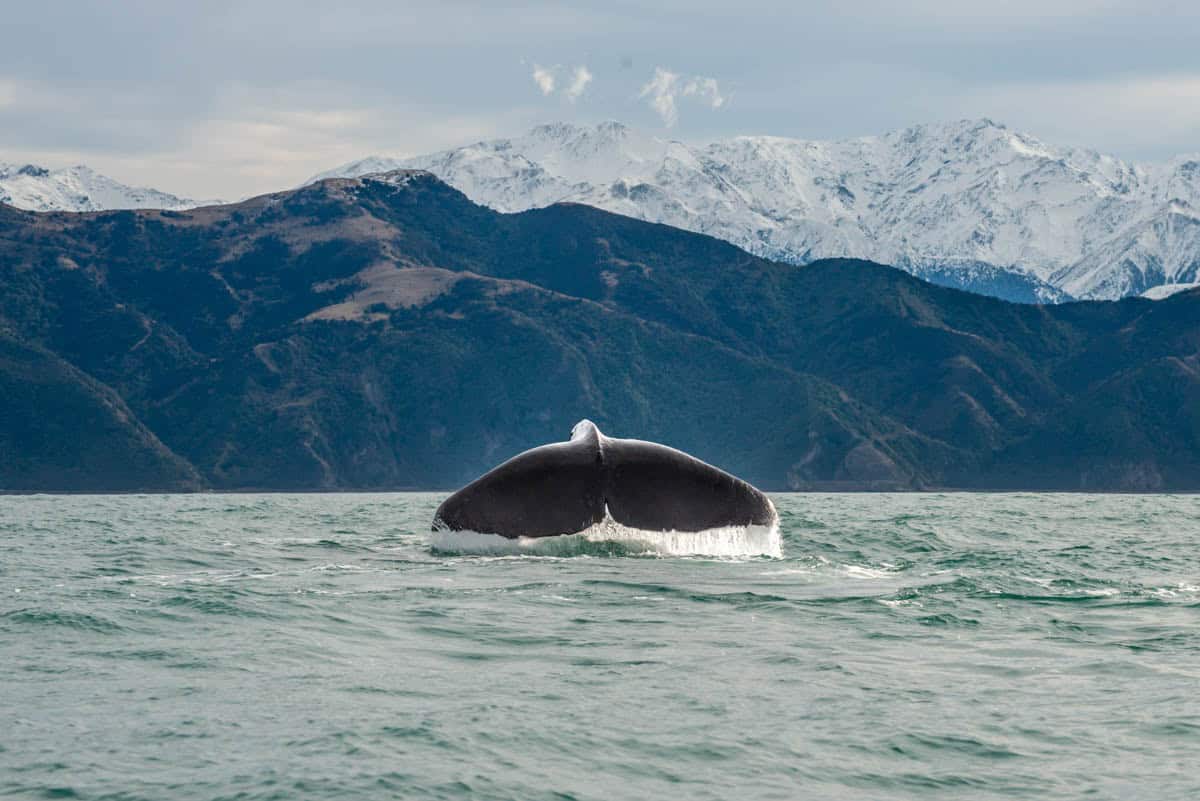
The nice thing about Kaikōura is that there’s no truly bad time to go whale watching – there are resident sperm whales here all year long, thanks to the deep offshore canyon.
But if you’re trying to time things for specific species, calmer seas or warmer weather, this page gives you the real picture so you can pick your best time, not some generic “perfect month”.
Popular Ways to Admire Whales + Wildlife in Kaikoura 🐳
— 3.5-hour boat cruise by speedy catamaran 🚢
— 40-minute scenic whale watching flight with commentary ✈️
— Wildlife kayaking adventure in Kaikoura (fur seals, penguins, dolphins) 🛶
— Kaikoura whale watching day tour from Christchurch 🚐
— Whale watching helicopter tour over Kaikoura 🚁
Can you see whales in Kaikōura all year round?
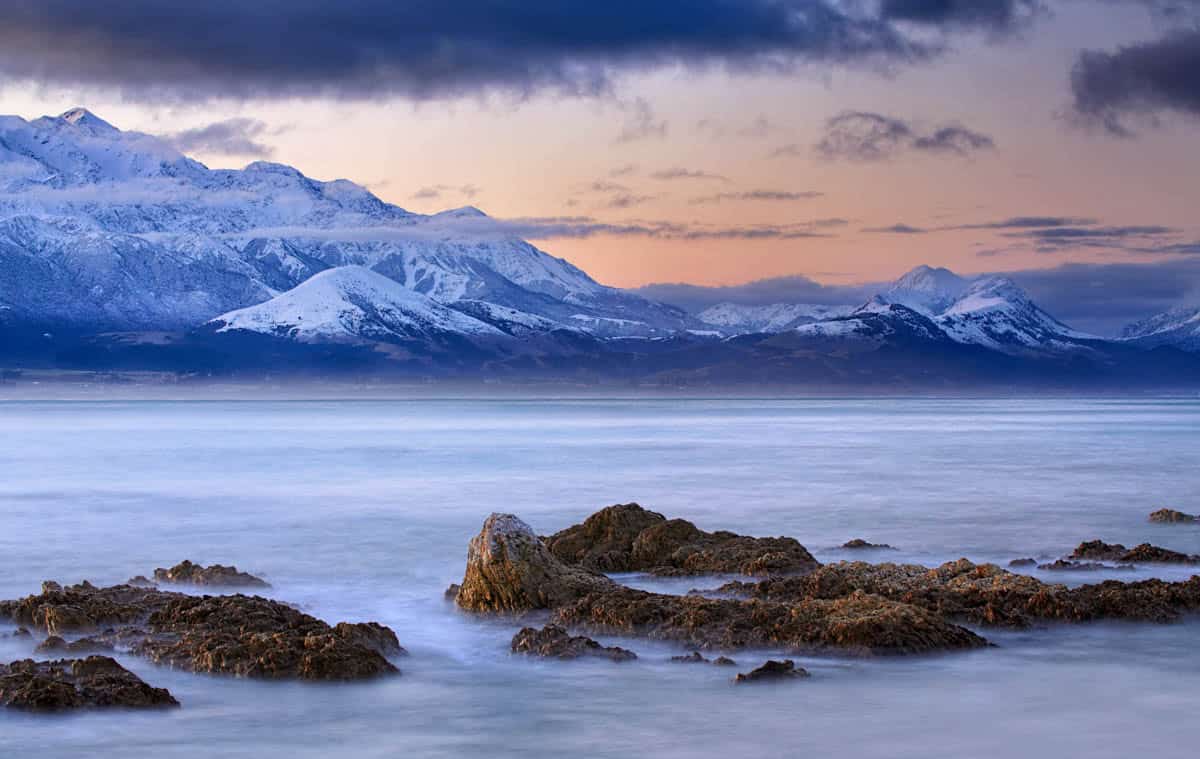
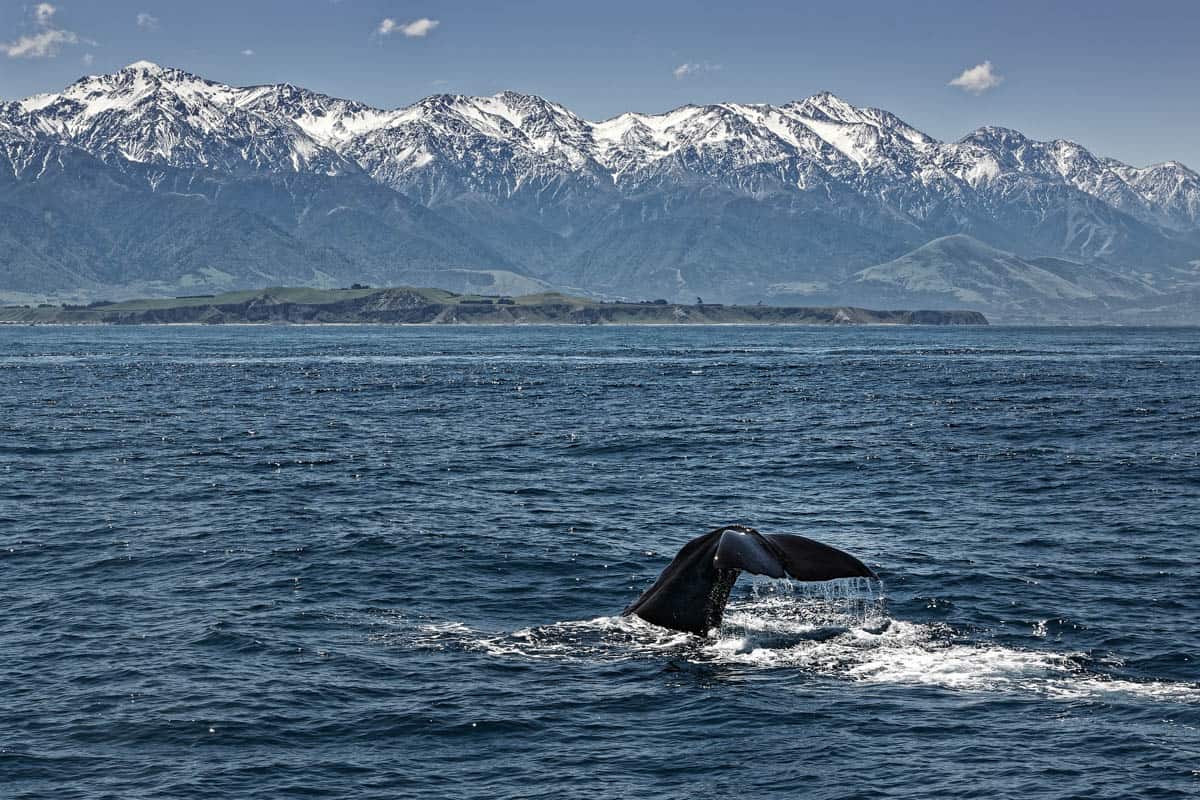
Yes. Kaikōura is one of the few places in the world where giant sperm whales are reliably seen year-round, close to shore.
That’s because:
- A deep submarine canyon runs right up to the coast.
- Cold, nutrient-rich water rises, feeding a dense food chain.
- Male sperm whales stick around to feed here instead of migrating.
So whatever month you’re visiting New Zealand, Kaikōura whale watching is on the table.
Good to Know
The main boat operator reports about a 95% success rate for seeing whales and offers an 80% refund if no whales are sighted on your tour – a huge safety net when you’re planning months ahead.
Which whales can you see in each season?
Sperm whales are the backbone of the show, but different seasons add different bonus species.
Colder season (roughly May–October)
You’ve still got the resident sperm whales, plus a better chance of:
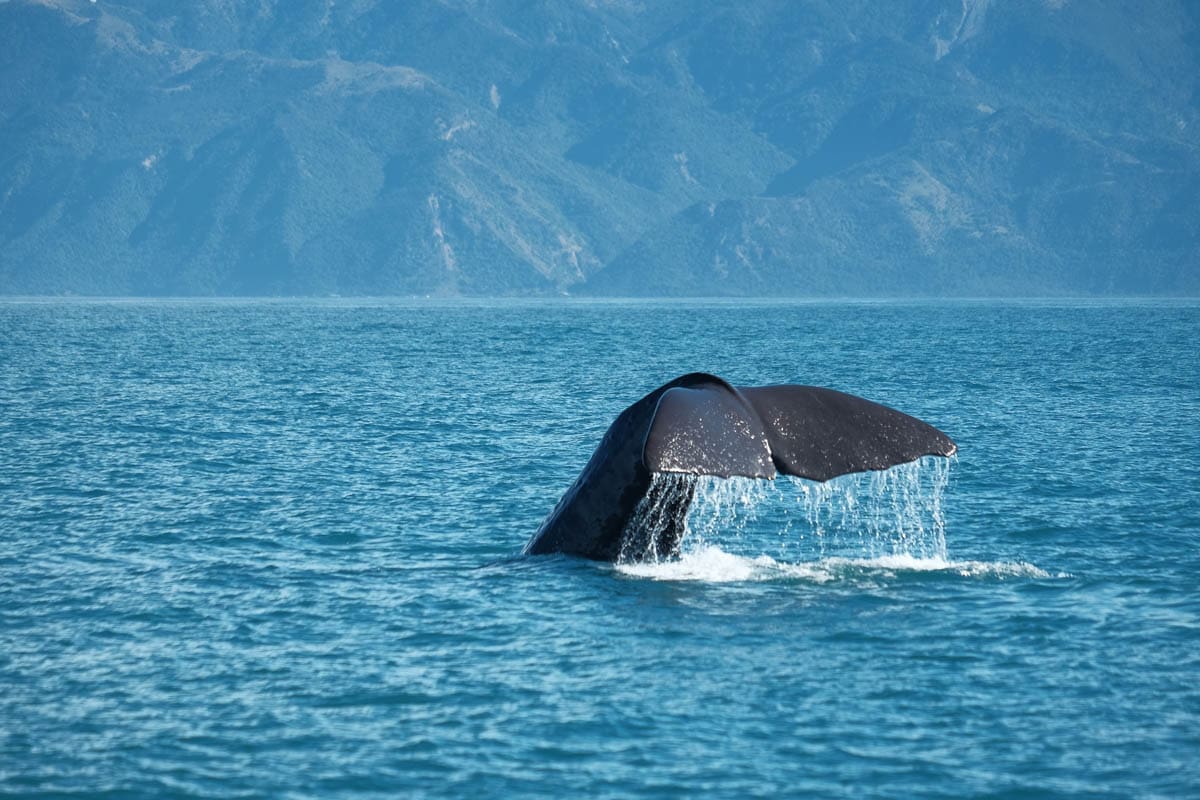
- Humpback whales – migrating past on their way between Antarctica and tropical breeding grounds, especially June–August.
- Southern right whales – more likely in June–August.
- Pilot whales – occasionally in the colder months.
This is the time of year when you’re most likely to see big, acrobatic humpback behavior – breaching, tail slaps, and rolling.
Warmer season (roughly November–March)
Summer is still excellent for sperm whales, plus:
- Orca (killer whales): often seen in small pods, with a better chance Dec–Mar according to multiple local guides.
- Blue whales: possible but rare visitors to the region.
- Plenty of dolphins: dusky and Hector’s dolphins are commonly seen year-round.

Summer is also peak time for overall marine life variety and warm, long days – but more people and higher demand for tours.
Pro Tip
If you’re chasing as many whale species as possible, lean toward the colder months. If you’re balancing wildlife with beach days and road-trip weather, summer is still great thanks to the resident sperm whales and dolphins.
For species nerds, you’ll get more detail on each animal on the /wildlife page.
What are the best months to go whale watching in Kaikōura?
There isn’t a single “best month for everyone”, but there are three sweet spots depending on what you care about most.

1. Wildlife variety: June–August
- Sperm whales are there every month.
- Cold-season migrants (especially humpbacks and southern rights) are more frequent.
- Snow on the mountains can make the scenery spectacular.
Tradeoffs:
- It’s colder on the water, so you’ll need layers, hat, gloves.
- Seas can be livelier, and weather systems can roll through more often.
2. Warm-weather comfort: November–March
- Sperm whales + orca and occasional blue whales in the mix.
- Warm air temperatures, longer daylight, easier road conditions.

Tradeoffs:
- Busier season across New Zealand; whale tours can book out early.
- Migratory baleen whales (like humpbacks) are less predictable than in winter.
3. Shoulder seasons: April–May & September–October
- Sperm whales still reliably around.
- Slightly fewer crowds than peak summer.
- A nice balance between decent weather and reasonable availability.
If your New Zealand trip is already locked to certain months, don’t stress – Kaikōura is one of those rare “whale all-year” places. If you can tweak dates, use the three bands above to nudge things in your favour.
What is the best time of day to go whale watching in Kaikōura?
Official guidance and long-running local FAQs are pretty clear: there isn’t a magic hour when whales suddenly show up in Kaikōura. Sperm whales are feeding and surfacing throughout the day.

However, there are some practical differences between time slots:
Morning departures
- Often enjoy calmer seas before afternoon sea breezes pick up.
- Better for people prone to seasickness.
- Ideal if you want a backup slot later in the day or next morning.
Midday / afternoon departures
- Can coincide with stronger onshore winds, which may mean choppier conditions.
- Great if you’re driving in from Christchurch or Picton the same morning and need time to arrive.
Top-Rated Kaikoura Whale Watching Tours
Flights and helicopters
For small planes and helicopters, early in the day is usually recommended for smoother air and clearer visibility, though operators run flights across the day when conditions allow.
Pro Tip
If you’re sensitive to motion, target a morning boat or an early flight, and use the /what-to-expect and /faq pages for seasickness strategies and backup plan ideas.

What is the weather like in Kaikōura across the year?
You don’t need a meteorology degree here – just a feel for how it’ll feel on the water.
Summer (Dec–Feb)
- Warm air temperatures, often with light layers on land.
- On the water it can still feel cool and breezy, especially in the morning or in overcast conditions.
- Very popular for general tourism, so tours and accommodation book up early.
Autumn (Mar–May)
- Cooler mornings and evenings, generally settled weather.
- Good visibility and fewer crowds; nice match with road trips.
Winter (Jun–Aug)
- Cold, especially out on deck – think beanie, gloves, windproof jacket.
- This is when you’re more likely to see migratory humpbacks passing through.
Spring (Sep–Nov)
- Mixed conditions; can switch between wintery and almost-summer in a week.
- A good compromise if you want cooler weather but not full winter.
Whatever the month, expect:
- Temperature drops once you’re away from land.
- Wind chill on exposed decks or near open plane windows.

The /what-to-expect page has packing checklists for each season.
How far in advance should you book for each season?
You don’t need to lock everything down a year ahead, but Kaikōura is not a “just rock up” destination in peak times.
Rough guidance:
- Peak summer & school holidays (Dec–Feb, NZ holidays):
- Book boat or flight tours 1–3 weeks ahead if you’re fixed to one particular day.
- Winter humpback season (Jun–Aug):
- Tours can still fill, especially in nice weather. Aim for a week or two ahead for prime morning slots.
- Shoulder seasons:
- A few days to a week can be enough, but don’t leave it to the last minute if your dates are tight.
If you’re booking through major resellers, look for:
- Free cancellation up to 24 hours before departure on many listings.
- Live availability indicators (“only X seats left”) as a gauge of demand.
That way you can lock in the good time slots now and still reshuffle if your route shifts.
When should you consider a scenic flight instead of a boat?
Time-of-year decisions sometimes push you toward flights:

- Winter:
- Seas can be rougher; if you’re very seasick-prone, a small-plane or heli flight might be more comfortable (though tight turns can still affect some people).
- Short stays or tight road-trip schedules:
- Flights are fast (30–40 minutes in the air), so easier to tuck into a full driving day.
- Photography & scenery:
- In clear weather, flights give incredible views of whales, coastline and mountains at any time of year.
If you’re staying more than one night and don’t mind boats, you can always do both: boat for close encounters, flight for the wide-angle shots.
For help choosing specific tours and formats, see /best-tours.
Putting it all together: choosing your best time and booking smart
Here’s a simple decision path:
- “I want the best wildlife variety & don’t mind the cold.”
→ Aim for June–August, book a morning boat tour, bring serious layers. - “I want warm days, road-trip weather and whales, full stop.”
→ Go in Nov–Mar, when New Zealand is buzzing. Sperm whales + orca/dolphin chances make it a strong combo. - “My dates are fixed; I just want to maximize my chances.”
→ Whatever month, book:- A morning slot on your first full day in Kaikōura
- With free cancellation via a major reseller
- And keep a backup slot the next morning or afternoon free.

From here:
- Use /best-tours to pick your ideal format (boat, flight, heli, day trip).
- Check /tickets for typical price ranges and booking strategies.
- Dive into /what-to-expect and /faq if you’re worrying about weather, seasickness or kids.
Then grab a flexible, free-cancellation tour for your chosen dates. Between the year-round sperm whales and Kaikōura’s high success rate, you’re stacking the odds heavily in favour of a tail-fluke kind of day.
Top-Rated New Zealand Tours